A few years ago, I lost £60,000 in a single year at Mackies.
I want to tell you how it happened, because I don’t think it was bad luck. It was a slow build-up of decisions I was making without being able to see what they were costing me. I think a lot of cleaning business owners are making those same decisions right now.
Hiring on hope
I’d taken on cleaners, and on paper, that was growth. But if you’d asked me whether I could actually afford to hire them, I honestly couldn’t have told you.
So I did what a lot of us do when we’re not sure. I kept cleaning myself, every single day, just in case.
That meant fourteen-hour days with three little ones at home. I covered every sick day and every no-show. I was the backup plan for the entire business, and I was running on empty.
Things started slipping. First small things, then not-so-small things. Complaints started coming in. And then we lost three major contracts.
The bit I’ve never said out loud
When those contracts went, I felt sad for about an hour.
Then I felt relieved.
That feeling was the most honest thing that happened all year. Deep down, I knew I’d been holding together something that was never going to hold. The staff weren’t right. The systems weren’t there. I’d been growing a business I couldn’t actually see.
Losing those contracts didn’t break the business. It showed me it was already broken.
What I did the next week
The obvious move would have been to chase new contracts and plug the gap as fast as possible.
I didn’t do that. If I’d filled the diary again, I’d just have rebuilt the same fragile business and lost it all a second time.
Instead, I started building the systems I should have built before I ever hired anyone.
What was actually missing
When the dust settled, I could finally see the problem clearly. It wasn’t one bad hire or one bad month. It was everything underneath.
I had nothing that told me whether I could afford another cleaner. I was guessing, then working myself into the ground to cover the guess.
I had no proper training programme. New starters learned on the job, on a customer’s premises, while I was too exhausted to supervise properly. Every mistake they made happened in front of a client.
I had no template for interviewing, so every hire depended on how I felt on the day.
I had no way of tracking compliance, and nowhere central for any of it to live. It was all in my head, and my head was full.
Building it back, piece by piece
I started with a training portal, because bad hires were where I’d lost the most money. If people were going to learn, they needed to do it before they walked into a customer’s building.
Then came templates for interviews and onboarding, and for the difficult conversations you have to have when something goes wrong. Having a script for those meant I stopped avoiding them.
Then compliance tracking and kit logs, so I always knew who was trained, who was covered and who had what.
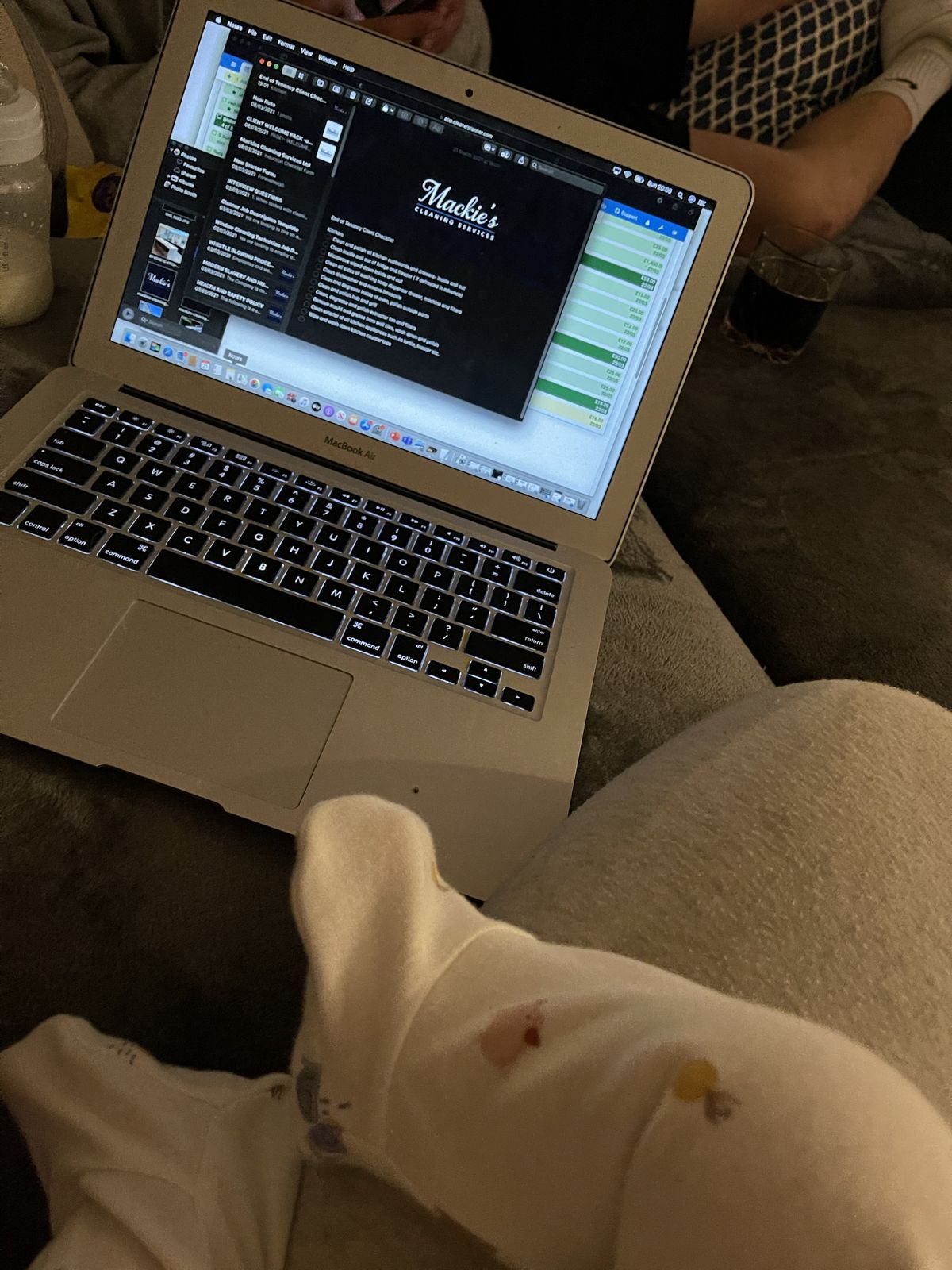
None of it was glamorous. Most of it was built at my kitchen table late at night. But for the first time, the business didn’t depend on me remembering everything and covering everything. I could see it.
Before you hire your next cleaner
If you’re about to take someone on, don’t make my £60k mistake. Answer these first:
Before you hire
- Can you actually afford them? Look at the real numbers, not a feeling that you’re busy enough.
- How will they be trained? It shouldn’t happen on a customer’s premises with you watching from the corner of your eye.
- How will you choose them? Use the same questions for every candidate, so you’re comparing like with like.
- Where does their paperwork live? Their compliance, training records and kit should all be in one place you can check in seconds.
- Who covers when they’re off? If the answer is always you, you haven’t hired help. You’ve hired a second job.
Why this story matters to me now
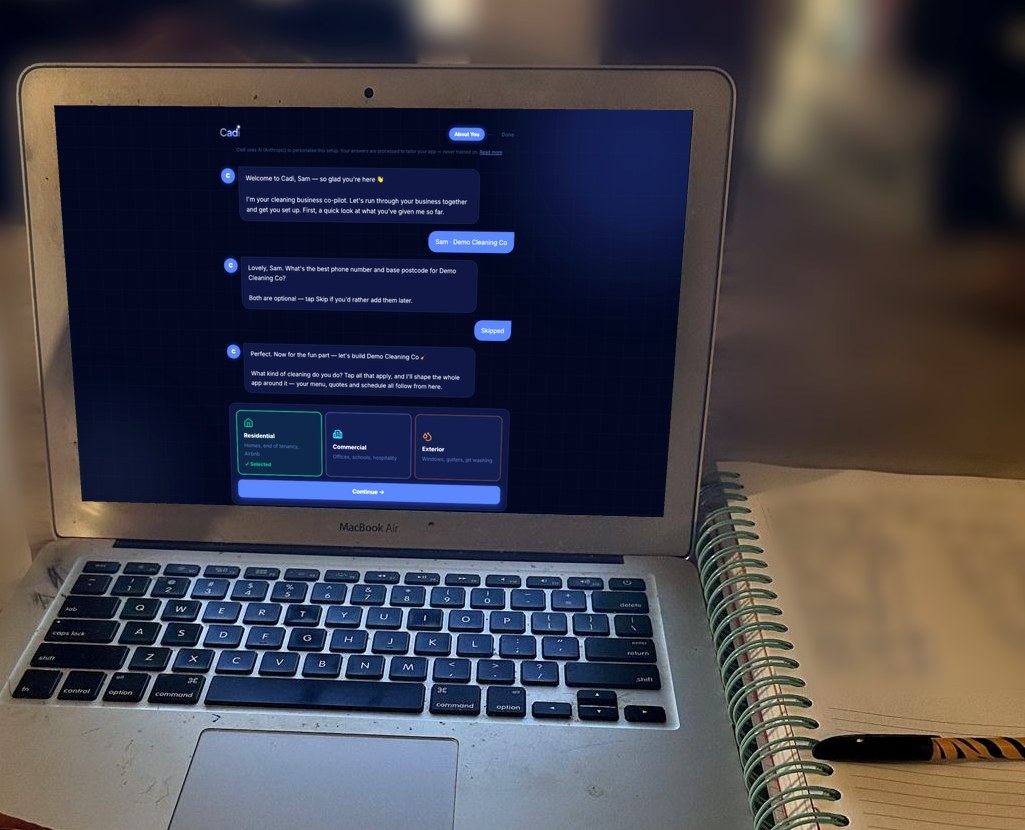
Years later, everything I built out of that wreckage became the Staff tab inside Cadi. The training, the templates, the compliance tracking and the kit logs are all in there. It’s sleeker and faster than my kitchen-table version, but it comes from exactly the same place.
That’s the whole reason Cadi exists, really. Every feature in there is something one of us built at midnight after a bad week.
Losing £60k was the most expensive lesson I’ve ever learned. I built Cadi so you don’t have to pay the same price to learn it.
Rhianna